
 by
by Finding a balance between serene nature and high-yield real estate investments is a priority for second-home buyers across Delhi-NCR and North India. For years, overcrowded hill stations like Shimla, Mussoorie, and Nainital were the go-to choices for weekend retreats. However, traffic congestion, steep terrain construction limits, and skyrocketing land prices have forced buyers to look for better alternatives.
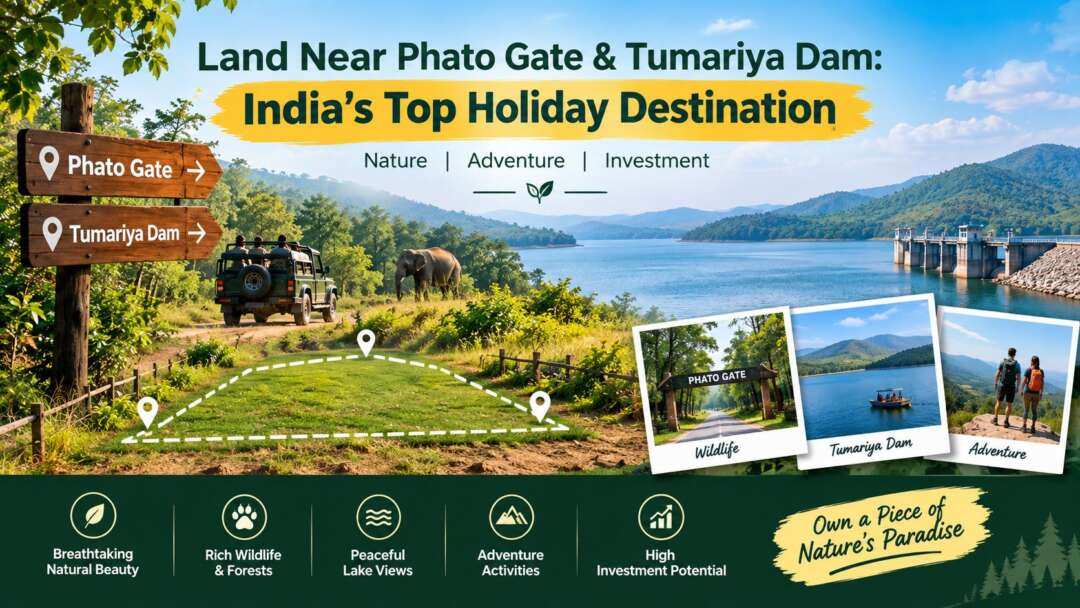
Enter the tranquil, forest-fringed plains of the Himalayan foothills—specifically the corridor surrounding Phato Gate and Tumariya Dam. Situated right at the threshold of the Corbett landscape in Uttarakhand, this region has rapidly emerged as North India’s premier destination for holiday homes, luxury eco-villas, and farmhouses. Combining lush wildlife reserves with expansive water bodies and seamless highway connectivity, this belt offers an unmatched mix of lifestyle appeal and real estate capital appreciation.
Whether you are an investor looking for high rental yields via eco-resort leasing or a homebuyer searching for a private wellness sanctuary, land near Phato Gate and Tumariya Dam presents a compelling value proposition.
What is the Phato Gate & Tumariya Dam Belt?
Simple Explanation
The Phato Gate and Tumariya Dam region is a scenic ecological belt located near Ramnagar and Kashipur in the Nainital and Udham Singh Nagar districts of Uttarakhand.
- Phato Gate: Serves as the official entrance to the Phato Eco-Tourism Zone of the Corbett forest periphery. Famous for its dense sal forests, treehouses, and thriving tiger and elephant populations, it offers regulated jungle safaris away from the congested core gates like Bijrani or Dhikala.
- Tumariya Dam: A massive, picturesque water reservoir fed by local river systems right at the forest’s edge. It is a tranquil, uncrowded haven for birdwatchers, nature photographers, and water-view retreat developments.
Together, they form a unique dual-landscape ecosystem where dense tiger forest meets expansive, calm waters—a combination rarely found elsewhere in Northern India.
Why It Matters
The shift toward experiential living and wellness tourism has redesigned real estate priorities. Modern buyers no longer want static concrete apartments in crowded tourist traps. They seek:
- Biophilic Living: Homes integrated into natural ecosystems, offering clean air, bird song, and open spaces.
- Short-Drive Accessibility: Destinations reachable within 4 to 5 hours from major metro hubs like New Delhi, Noida, and Gurgaon.
- Year-Round Usability: Unlike high-altitude hill stations that face harsh winters, landslips, and road blockages during monsoons, this foothill region maintains pleasant weather and easy physical access 365 days a year.
Key Features & Highlights
+-----------------------------------------------------------------------+
|                       THE DUAL ECOSYSTEM ADVANTAGE                    |
+-----------------------------------------------------------------------+
|                                                                       |
|   [ PHATO ECO-TOURISM ZONE ]          [ TUMARIYA DAM RESERVOIR ]       |
|   • Dense Sal Forests                 • 300m Waterfront Promenades    |
|   • Tiger & Elephant Safaris          • Migratory Bird Watching       |
|   • Treehouse Eco-Lodges              • Sunset Views & Water Sports   |
|                                                                       |
+-----------------------------------------------------------------------+
                                   |
                                   v
             [ LUXURY HOLIDAY HOMES & PRIVATE ESTATES ]
Feature 1: The Phato Eco-Tourism Wilderness
Inaugurated as a dedicated eco-tourism zone to boost sustainable safari experiences, Phato Zone has quickly become a wildlife favorite. Known for its high tiger sighting frequencies, expansive forest tracks, and unique forest canopy accommodations, land bordering this zone guarantees permanent green views that can never be urbanized.
Feature 2: Tumariya Dam Waterfront Views
Waterfront land in North India is exceptionally rare. Tumariya Dam offers a stunning, open water surface against a backdrop of distant hills and forest shadows. The presence of this vast body of water tempers microclimates, keeping localized temperatures cooler during summer months while providing an backdrop for lakeside villas and farmhouses.
Feature 3: Flat Terrain with Low Construction Complexity
Unlike hillside lots that require expensive retaining walls, complex structural piling, and restrictive hill-building codes, land near Phato Gate and Tumariya Dam features flat, fertile soil. This reduces overall construction costs, shortens development timelines, and allows flexible architectural layouts like sprawling single-story courtyards, swimming pools, and organic orchards.
Benefits of Buying Land Near Phato Gate & Tumariya Dam
Financial Benefits
- High Rental Yields: The demand for private weekend rentals, homestays, and boutique resorts near Corbett outpaces traditional hotel room inventory. Villas listed on luxury stay platforms command premium per-night tariffs.
- Rapid Capital Appreciation: As primary highway corridors expand and core Ramnagar land prices hit saturation, capital appreciation velocity has shifted toward peripheral eco-zones like Phato and Tumariya.
- Flexible Revenue Models: Owners can utilize their properties for personal family vacations for part of the year and rent them out as managed eco-resorts during peak safari seasons.
Lifestyle & Business Benefits
- Clean Air & Wellness: Moving away from NCR’s seasonal smog, this zone offers air quality index (AQI) levels consistently in the pristine range.
- Work-from-Nature Setup: With modern fiber-optic internet expansion reaching the region, professionals can easily work remotely with forest or lake views.
- Organic Farming Opportunities: The fertile soil allows owners to maintain private kitchen gardens, fruit orchards (mango, guava, citrus), and organic farms.
Long-Term Value
Land is a finite asset, especially land adjacent to protected national forests and major water bodies. Strict environmental buffer norms ensure that large-scale industrialization cannot enter the region, preserving its pristine character and guaranteeing long-term exclusivity.
Location & Market Analysis
| Location Benchmark | Distance / Travel Time | Significance |
| Phato Safari Gate | 02 to 05 Minutes | Direct, immediate access to wildlife safari tracks |
| Tumariya Dam | 0 to 05 Minutes | Panoramic waterfront access and scenic promenade walks |
| Ramnagar City / Station | 15 to 20 Minutes | Commercial hub, local markets, hospitals, and rail access |
| Kashipur Railway Station | 15 to 20 Minutes | Major rail hub connecting to Delhi and central India |
| NH-309 Corridor | 05 to 10 Minutes | High-speed multi-lane national highway connection |
| Pantnagar Airport (PGH) | 45 to 60 Minutes | Direct flight connectivity to Delhi and major regional hubs |
| Delhi-NCR (via Highway) | 4.5 to 5 Hours | Smooth drive via Delhi-Meerut Expressway & Moradabad Bypass |
Connectivity
The region benefits from direct multi-lane highway connectivity from Delhi via Hapur, Moradabad, and Kashipur. The travel time from Delhi-NCR has dropped significantly, making spontaneous weekend trips completely hassle-free. Additionally, Pantnagar Airport provides regional air connectivity for national travelers.
Infrastructure Growth
State infrastructure investments in the Udham Singh Nagar and Nainital districts are accelerating. Key enhancements include road widening project along NH-309, upgraded electrical grid reliability, and expanded rural fiber-optic broadband deployment.
Future Potential
With core Corbett gates like Bijrani and Jhirna facing strict visitor capping and heavy traffic, the state government’s focus on promoting alternative eco-tourism zones like Phato ensures sustained infrastructural support and steady tourist inflow for decades to come.
Investment Potential & Use Cases
ROI Opportunities
Investors in this belt typically follow one of three primary business models:
- Boutique Safari Villa / Homestay: Constructing a 3-to-5-bedroom luxury pool villa targeted at families and private groups seeking exclusive stays away from crowded hotels.
- Gated Community Villa Lots: Purchasing plots within planned, secured developer townships that offer clubhouses, maintenance, and rental management services.
- Land Banking: Acquiring larger agricultural or residential parcels along key approach roads for medium-to-long-term capital appreciation.
Risk Factors (Honest Assessment)
- Ecological Regulations: Properties near forest zones must adhere strictly to environmental buffer guidelines, height restrictions, and local land-use norms.
- Land Title Verification: Like many expanding semi-rural markets, diligent legal verification of land titles, land classification (agricultural vs. non-agricultural conversion), and clear boundary demarcations is mandatory.
- Wildlife Proximity: Proximity to forest zones requires boundary fencing and light management to maintain harmony with local wildlife.
Who Should Invest?
- Delhi-NCR Working Professionals: Seeking a reachable, low-maintenance weekend retreat.
- Retirees & Wellness Seekers: Looking for quiet, nature-rich living with clean air and active outdoor lifestyles.
- Hospitality Entrepreneurs: Seeking land to build wellness resorts, retreat centers, or eco-lodges.
- NRI Investors: Looking for high-appreciation physical real estate assets in India’s booming eco-tourism corridors.
Comparison Section
Land Near Phato & Tumariya vs. Traditional Hill Stations
| Feature / Metric | Phato Gate & Tumariya Dam | Traditional Hill Stations (Mussoorie/Nainital) |
| Terrain & Construction | Flat, easily accessible plains; lower construction costs | Steep slopes; high construction & foundation costs |
| Year-Round Access | 100% accessible; no seasonal landslides or snow closures | Frequent monsoon landslides and winter road blockages |
| Land Pricing | Highly attractive entry points with high growth upside | Exorbitant land rates with saturated appreciation |
| Wildlife & Nature | Direct forest safari access + massive water reservoir | Overcrowded commercial centers, limited open forest |
| Rental Demand | Driven by year-round wildlife safari & wellness tourism | Highly seasonal (Peak summer / brief winter bursts) |
Why It Stands Out
The combination of flat, easy-to-build land with immediate proximity to both a major wildlife reserve and a quiet lake creates a rare lifestyle product. You get the peaceful wilderness of a national park without sacrificing the convenience of flat access roads and fast building schedules.
Step-by-Step Buying Guide
Step 1: Define Your Objective and Zoning Requirements
Determine whether you are buying for pure personal use, rental yield, or land banking. Verify if the parcel requires 143 conversion (converting agricultural land to non-agricultural/residential use under Uttarakhand state regulations) depending on your intended construction plans.
Step 2: Conduct On-Site Topography and Boundary Audits
Visit the land during different seasons if possible. Ensure proper road width access (preferably minimum 20–30 feet approach roads), check electricity line proximity, and verify boundary markings relative to forest department land to prevent buffer encroachments.
Step 3: Title Search and Legal Due Diligence
Engage a local advocate specializing in Uttarakhand land laws. Conduct a thorough title search extending back 30 years at the local Sub-Registrar Office (SRO) to verify clear ownership, freedom from encumbrances, bank liens, or legal disputes.
Expert Tips (Human Touch Section)
- Prioritize Managed Communities if Living Distant: If you reside in Delhi or abroad and cannot visit bi-weekly, consider gated township projects that provide 24/7 security, landscaping, and property management.
- Capitalize on Natural Orientations: Design your home to face either the forest canopy or the dam sunrise/sunset. Views directly influence rental booking rates and resale valuations.
- Plan for Water Sustainability: While the dam keeps water tables high, installing rainwater harvesting and deep borewells ensures complete water self-sufficiency year-round.
- Incorporate Vernacular Architecture: Use local stone, warm timber accents, and large glass panels. Modern eco-villas that blend into the landscape command significantly higher tourist appeal than generic urban concrete structures.
- Verify Forest Department Buffers: Always ensure your proposed construction is safely beyond prohibited eco-sensitive zones or reserved forest boundaries to ensure hassle-free building sanction approvals.
Common Mistakes to Avoid
- Buying Unconverted Land Without Understanding Local Laws: Non-residents of Uttarakhand face limits on agricultural land purchase sizes. Ensure you understand state land ceiling laws or buy plots that fall within legally sanctioned limits or converted layout schemes.
- Ignoring Road Access Verification: Never buy land relying on an informal path. Ensure legal, recorded right-of-way access roads lead directly to the property parcel.
- Overbuilding the Plot: The charm of Phato and Tumariya lies in open green space. Avoid covering the entire plot with concrete; leave at least 50–60% of the area open for lawns, organic gardens, or private pools.
- Failing to Account for Safari Seasons: Safari zones operate on seasonal schedules. Ensure your business model accounts for peak safari months as well as off-peak monsoon retreat marketing.
Future Trends (2026–2030)
- Rise of Off-Grid Hybrid Homes: Future holiday homes in this belt will increasingly feature solar power integration, battery storage, and rainwater collection systems, making them self-sustaining green retreats.
- Institutional Hospitality Entry: As eco-tourism near Phato Gate matures, boutique luxury hotel chains and eco-stay aggregators will lease private villas directly from owners, establishing guaranteed lease-back incomes.
- Enhanced Regional Connectivity: Continued upgrades to regional expressways and high-speed rail corridors connecting NCR to Northern Uttarakhand will further shave travel times down, shifting this market from a “weekend trip” to a “regular remote work routine.”
Conclusion
The real estate narrative in North India has evolved. Buyers no longer want cramped, overpriced hill station flats reached via congested mountain roads. The modern holiday home buyer seeks accessible luxury, pristine natural surroundings, clean air, and strong financial fundamentals.
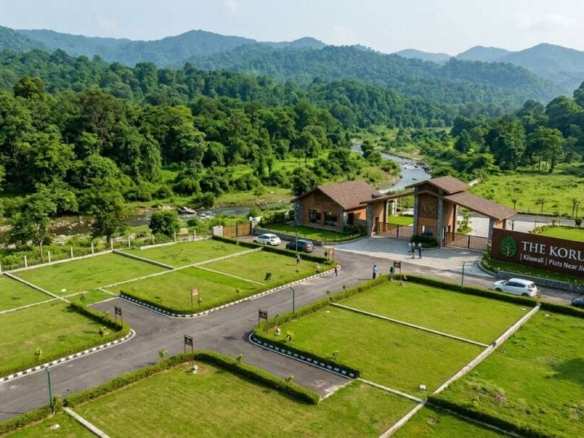
Land near Phato Gate and Tumariya Dam checks every box. By offering a rare combination of dense forest wilderness, scenic lake views, flat easy-to-build land, and rapid multi-lane access from Delhi-NCR, this belt stands out as North India’s most promising holiday home hotspot. Whether you build a private family estate or an income-generating eco-villa, securing land in this corridor today positions you at the forefront of Northern India’s eco-luxury living revolution. The Koru Ville is a premium gated residential township offering residential plots and beautifully designed cottages at Kilawali, near Tumariya Dam and Jim Corbett National Park, Uttarakhand. Surrounded by lush greenery and scenic landscapes, the project combines nature, comfort, and investment potential.
Frequently Asked Questions
Is buying land near Phato Gate and Tumariya Dam safe for non-Uttarakhand residents?
Yes, non-residents can legally purchase land in Uttarakhand. While there are land size limits on agricultural property purchases for non-domiciles, buyers can easily purchase converted non-agricultural land or buy within approved residential layout projects without restrictions.
How far is the Tumariya Dam & Phato region from Delhi-NCR?
The region is approximately 220 to 240 kilometers from Delhi-NCR. Via the Delhi-Meerut Expressway and the Moradabad-Kashipur highway corridor, the drive takes around 4.5 to 5 hours, making it an easy weekend trip.
What kind of rental returns can I expect from a villa here?
Boutique villas and homestays near Phato Gate and Tumariya Dam achieve attractive rental yields. Driven by steady safari tourism and weekend getaway demand, well-managed luxury pool villas can generate annual gross rental yields ranging from 8% to 14%.
Can I construct a commercial resort on agricultural land here?
To construct a resort or commercial homestay, agricultural land must undergo formal land-use conversion (known as Section 143 conversion under state land revenue codes) through local authorities, ensuring all environmental and forest buffer regulations are met.
What amenities are available around Phato Gate and Tumariya Dam?
The belt is close to Ramnagar and Kashipur, offering access to multi-specialty hospitals, schools, railway hubs, local organic markets, and high-speed internet infrastructure alongside luxury resort amenities.

Join The Discussion